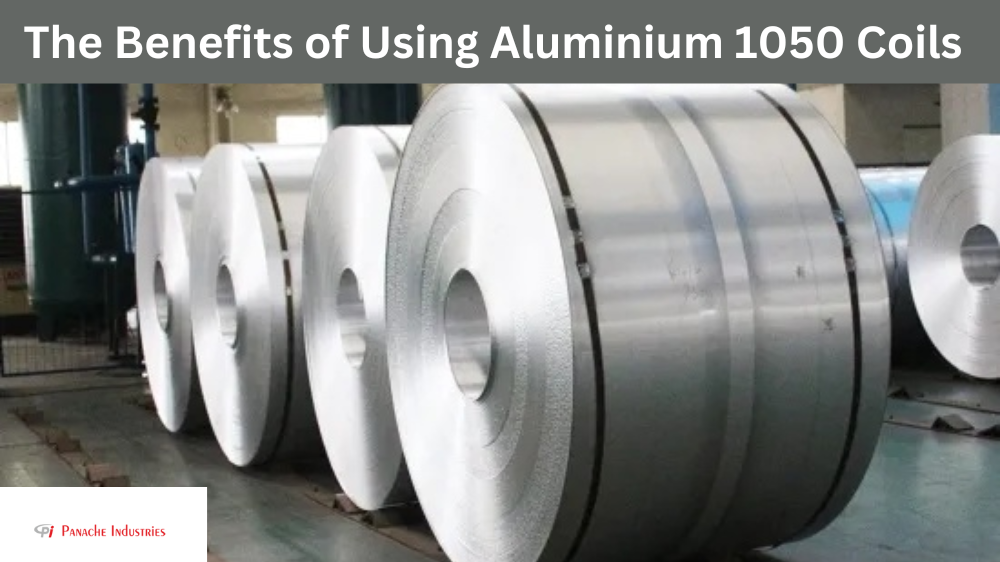
Aluminium 1050 coils are one of the most commonly used aluminium alloys available today. They are versatile and offer many benefits, which has led to their popularity among a wide range of industries. As a manufacturer, choosing the right material for your product is essential. The properties of aluminium 1050 coil provides a host of benefits, making them a perfect choice for many manufacturing processes. In this blog post, we will explore the many benefits of using aluminium coils in your manufacturing process.
What is Aluminium 1050 Coils?
Aluminium 1050 coils are popular among industrialists due to their impressive qualities. They have excellent formability and weldability, as well as high corrosion resistance. This makes them suitable for many applications, including pharmaceuticals, chemicals, food processing equipment and vehicles. In addition, they offer good electrical and thermal conductivity while maintaining low weight properties – making them an ideal choice for automotive parts and components. The material also has a good strength-to-weight ratio and a good surface finish after cold working, which further enhances its appeal in engineering fields such as aerospace engineering, where weight is a critical factor without compromising on the strength or durability of the product.
The Benefits of Using Aluminium 1050 Coils
Lightweight yet Durable:
One of the most significant benefits of using aluminium 1050 coils is their weight. Aluminium is one of the lightest metals, meaning its products are incredibly lightweight. However, you may need to learn that aluminium is incredibly durable. This combination of lightweight and durable makes it an ideal material for products that require strength but must also be easy to handle. For example, in the aerospace industry, aluminium 1050 coils are commonly used in the construction of aeroplanes due to their high strength-to-weight ratio.
Corrosion Resistant of Aluminium 1050 Coils:
Another significant benefit of using aluminium 1050 coils is that they are highly corrosion-resistant. This resistance is due to the formation of a tight oxide layer on the surface of the metal. This layer acts as a protective barrier, preventing further corrosion. This makes it an excellent choice for products requiring water exposure or corrosive substances. For example, aluminium 1050 coils are widely used in constructing boat hulls, as they are constantly exposed to seawater.
Easy to Form and Fabricate:
Aluminium 1050 coils are also incredibly easy to form and fabricate. Due to its malleability, it can be easily shaped into various shapes and sizes, making it ideal for a wide range of products. Additionally, it can be easily welded and joined, making it perfect for constructing more complex products. This ease of fabrication makes it ideal for products that require intricate designs or customizable shapes.
Recyclable:
Finally, aluminium 1050 coil is highly recyclable. Aluminium is one of the most recycled metals in the world, and its recycling process requires only 5% of the energy required to produce new aluminium. This makes it an excellent choice for environmentally conscious manufacturers. Choosing to use aluminium coils in your manufacturing process can have a significant impact on the environment, as it reduces the need for new aluminium production and reduces waste.
Conclusion:
In conclusion, the benefits of using aluminium 1050 coil in manufacturing are clear. The combination of lightweight yet durable, corrosion resistance, ease of forming and fabrication, and recyclability make it an ideal material for a wide range of industries. Using aluminium coils also significantly impacts the environment, making it a sustainable choice for environmentally conscious manufacturers. So, the next time you choose a material for your product, consider aluminium 1050 coil and ensure that you choose a material that offers lasting benefits.